blogAug 2026

Building, Launching, and Failing: The Motifalign Story

The Motifalign logo with two red arrows drawn down across it and the word fail written along one of them.

Four years into my career, after building various products with both small and large teams, I noticed a persistent disconnect between design and development. I decided to build Motifalign to fix it.

The problem was always the same. A designer would change something in a Figma file: a color, a font size, or a spacing value. But those changes never made it into the codebase, and the development team was completely out of the loop.
How it worked

Motifalign bridges this gap. It starts by importing your design system directly through our Figma extension. You simply select the frames containing your design tokens (colors, components, border radii, shadows, etc.), and Motifalign automatically detects and extracts the exact values.

Once your design system is connected to Motifalign, nothing slips through the cracks. Think about a common scenario: a designer introduces a new font size to a mockup, but it is not officially added to the core design system. The development team does not know about it until they actually start building the page.

Discovering these undocumented, missing values mid-development is a nightmare for frontend engineers. Going back to patch new, random variables into a carefully planned project architecture breaks consistency and creates technical debt. Motifalign catches these discrepancies before they become a problem.

The sales grind

Now it was time to sell. This is arguably the most important part of the journey.

I started typing out messages to designers, agencies, and companies. Because I was still working as a full-time software developer, I was pulling 12-hour workdays. In total, I sent around 15,000 messages and emails.

Here is what a typical day looked like for me:

8:00 AM
Wake up.
8:15 AM
Send cold emails, reply to LinkedIn messages, and write a tweet about the product.
9:00 AM
Daily standup for my full-time job.
12:00 PM
The "lunch break", which actually meant working on Motifalign sales and marketing.
1:00 PM
Back to the day job.
5:00 PM
Finish the day job, take a one-hour break to breathe.
6:00 PM
Keep working on Motifalign until 10:00 PM.

This routine took a massive toll on my physical and mental health. When I started building the product, I weighed 80 kg. By the time I finished, I was 135 kg. I gained 55 kg in just four or five months.

If you are wondering what the result of all this extreme sales effort was: I got exactly zero demo bookings. Here is why I failed.

The contact list

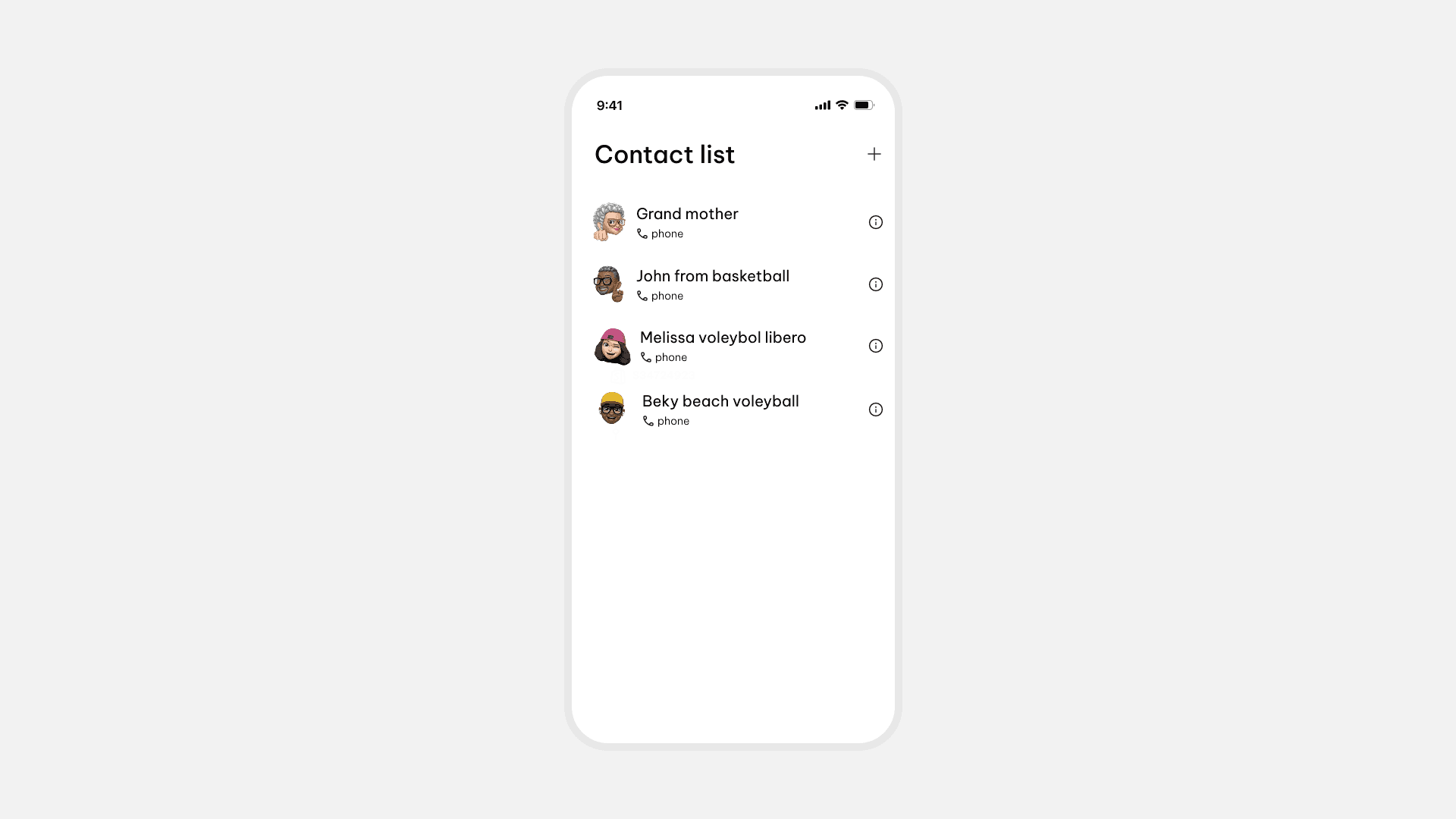
If your contact list looks like this, you might find a guy or girl for your next basketball or volleyball match, but you definitely will not find business partners.

A phone contact list with four entries in it: a grandmother, somebody from basketball, and two people from volleyball.

Nobody cares about your product

I know your product sounds incredibly cool in your head. But the harsh truth is that nobody cares about your product. They only care if you solve their specific problems and actually manage to connect with them on that pain point.

A crowded street printed as a coarse halftone, with the word Nobody set across the middle of it.

The Product Hunt illusion

If you think you are going to find your actual paying customers on Product Hunt, think again. The harsh reality is that normal customers are not hanging out on Product Hunt looking to buy things. It is basically an echo chamber: other founders, makers, and builders surfing the site to see what is new.

I did not get any meaningful impressions, traction, or useful feedback from launching there. It was the exact same story.

Ads do not work for early B2B

If you are building a B2B SaaS or AI product, you might think you can just run Google Ads to get traction. I tried that. Nobody booked a demo. Using paid ads to kickstart B2B sales from zero is nearly impossible.

In the end, I failed. No demo bookings. No sales. The only registrations I got were from my designer friends, and that was it.

A large zero, drawn in white halftone dots on a black field.

Thanks for reading this article about my journey.